
- Published on 3 Oct 2025
- Last updated on 3 Oct 2025
- Reading Time: 4 minutes
Re-introducing Vision Arena Categories
Since we first introduced categories over two years ago, and Vision Arena last year, the AI evaluation landscape has evolved. New categories have been added, existing ones have been updated, and the leaderboards they power are becoming more insightful with each round of community input.
If you need a refresher: categories are how we organize conversations on LMArena. Each message can be tagged into one or more categories, though tagging isn’t required. This flexibility ensures that we capture the richness of real-world use cases without forcing conversations into boxes.
When you view a category leaderboard, you’re seeing the same ranking methodology as the overall Arena leaderboard, but filtered only to conversations within that category. This makes categories a powerful way to zoom in on specific domains of model performance, whether that’s coding, creative writing, or multimodal reasoning.
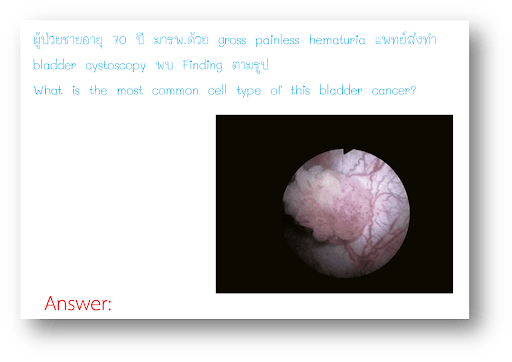
In Vision Arena, users upload images and give text prompts asking all sorts of questions, from homework to storytelling. Like in Text Arena, many insights can be gained by looking at the categories of these conversations, both in terms of the prompts and the accompanying images.
Today, we’ll define and explain the new Vision Arena categories paired with example prompts and images.
Captioning
The Captioning category covers requests for general descriptions of images. This measures a model’s capacity to understand and describe images, often for users interested in getting overall information about an image, rather than seeking specific information from it.


Creative Writing
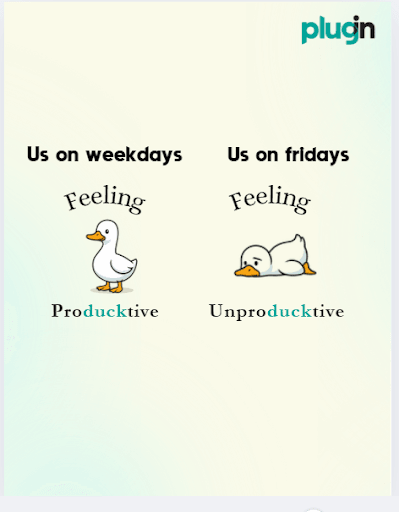
The Creative Writing category is designed to capture the models’ skills in compositions outside of academic, professional, and technical areas, and typically involve creativity, imagination or storytelling.


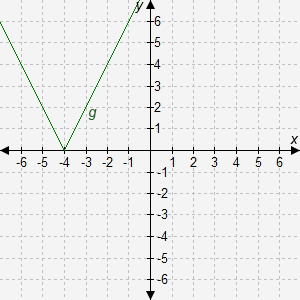
Diagrams
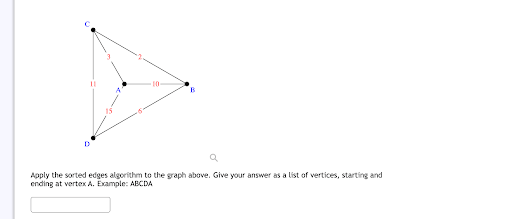
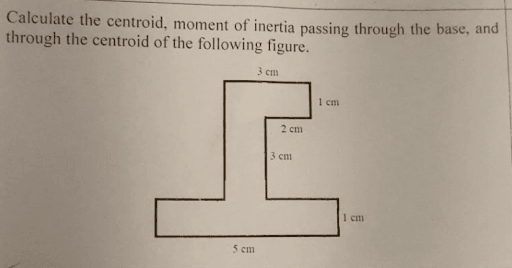
For testing recognition and understanding of technical information in images, we have the Diagrams category. This includes instances where the image contains graphs, charts, or figures, and the user is asking questions which require understanding of the concepts of the visuals.